
Human beings have a deep-rooted connection to the concept of home. For millennia, we have sought shelter, safety, and a sense of belonging in the places we call home. As we delve into the annals of history, we discover ancient homes that have withstood the test of time, revealing unique insights into the lives of our ancestors. Join us on a fascinating journey through the ten oldest homes in the world.
1. Göbekli Tepe, Turkey (c. 9600 BCE)
In the arid landscape of southeastern Turkey, Göbekli Tepe stands as a testament to the ingenuity and spirituality of our distant ancestors. Dated to around 9600 BCE, this ancient site predates the advent of agriculture and is believed to have been a communal gathering place. Its intricate stone pillars, adorned with intricate carvings of animals and symbols, provide clues to early religious practices.
2. Chauvet Cave, France (c. 30,000 years ago)
Step into the depths of the Chauvet Cave, hidden in the limestone cliffs of southern France, and you’ll encounter some of the world’s oldest cave paintings. Created around 30,000 years ago, these stunning artworks offer a glimpse into the artistic and symbolic expressions of prehistoric humans. The preservation of these paintings is a testament to the enduring power of human creativity.
3. Skara Brae, Scotland (c. 3100 BCE)
Off the windswept coast of Scotland’s Orkney Islands lies Skara Brae, a remarkably well-preserved Neolithic village that dates back to approximately 3100 BCE. The stone buildings, linked by passageways, provide insight into the communal lifestyle and architectural prowess of the people who lived here. It’s one of the best-preserved prehistoric villages in northern Europe.
4. Cueva de las Manos, Argentina (c. 9,000 years ago)
In the remote reaches of Argentina, the “Cave of Hands” holds secrets dating back over 9,000 years. Here, ancient artists left their handprints on the cave walls, along with depictions of animals and symbols. These cave paintings offer a captivating window into the culture and artistry of the early inhabitants of South America.
5. Knap of Howar, Scotland (c. 3700 BCE)
Knap of Howar, situated on the Orkney Islands like Skara Brae, is another ancient treasure. This stone house, constructed around 3700 BCE, is considered one of the oldest preserved stone houses in northern Europe. It reveals the architectural sophistication and resourcefulness of the Neolithic people.
6. Catalhöyük, Turkey (c. 7500 BCE)
Turkey is also home to the ancient settlement of Catalhöyük, dating back to approximately 7500 BCE. This sprawling urban center provides a unique glimpse into the daily life, art, and complex society of its inhabitants. Catalhöyük challenges our assumptions about early human settlements and their social structures.
7. Herculaneum, Italy (79 CE)
The eruption of Mount Vesuvius in 79 CE buried the Roman city of Herculaneum under layers of volcanic ash and lava. The excavation of Herculaneum has uncovered an exceptionally well-preserved city, complete with houses, frescoes, and even carbonized scrolls. This frozen-in-time city is a remarkable time capsule of Roman life.
8. Pompeii, Italy (79 CE)
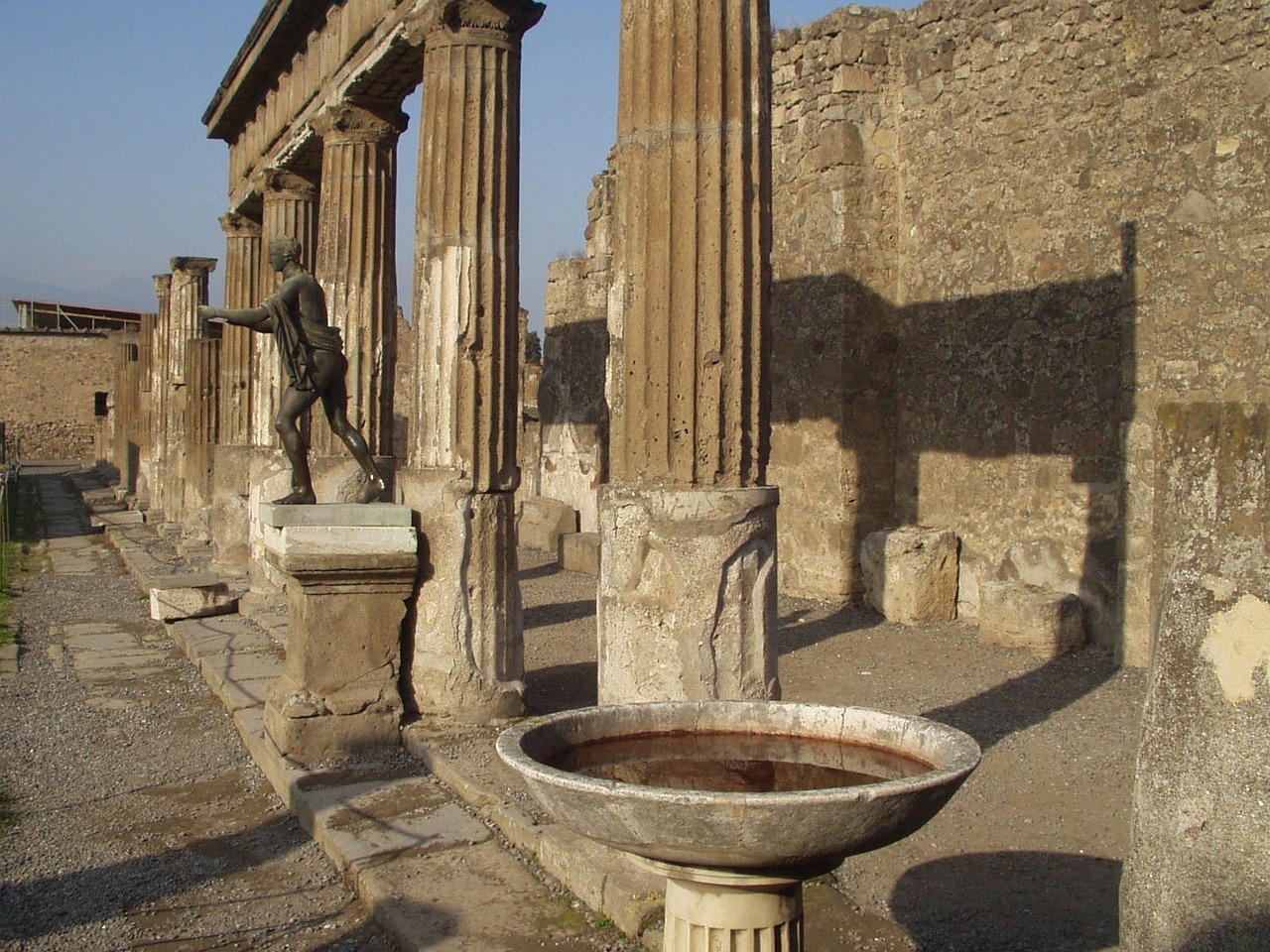
Pompeii, also destroyed by the eruption of Mount Vesuvius, is perhaps one of the most famous archaeological sites in the world. It offers a detailed look into the daily life of a bustling Roman city, with its villas, streets, and businesses impeccably preserved in volcanic ash.
9. Jiahu, China (c. 7000 BCE)
In the Henan province of China lies Jiahu, an archaeological site associated with the Peiligang culture and dating back to around 7000 BCE. Jiahu is renowned for its pottery, flutes, and other musical instruments, providing insight into early Chinese culture and craftsmanship.
10. Jarlshof, Scotland (Various periods)
Jarlshof, located on the Shetland Islands, showcases a rich tapestry of history spanning several millennia. The site represents various periods of habitation, from the Bronze Age to the Norse period, offering a comprehensive view of how human life evolved in this remote corner of the world.
Conclusion
The ten oldest homes in the world are not merely relics of the past; they are windows into the daily lives, creativity, and aspirations of our forebears. They remind us of our enduring connection to the concept of home and offer an invaluable perspective on the human journey through time. These ancient sites continue to captivate and inspire, encouraging us to explore, learn, and respect the remarkable history that they embody.


Leave a Reply